
Ultimate Mini War Trello Guide: Units, Codes, and Battle Strategies
Master the battlefield with our comprehensive Mini War Trello guide. Discover unit stats, evolution paths, and the latest codes for this Roblox hit.
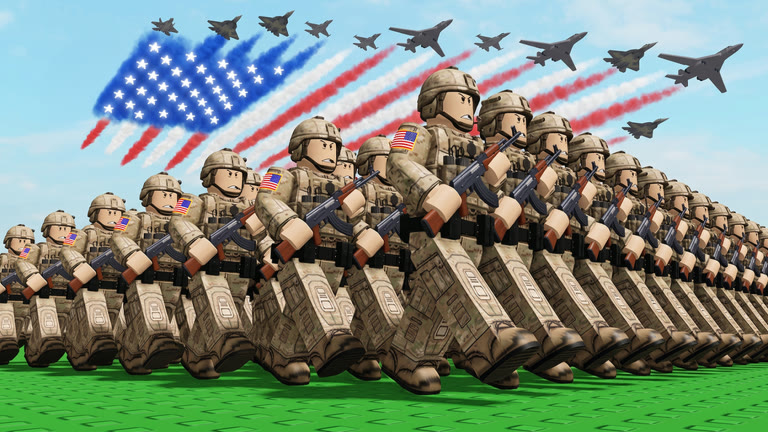 Official mediaMaster the battlefield with our comprehensive Mini War Trello guide. Discover unit stats, evolution paths, and the latest codes for this Roblox hit.YouTube
 Navigating the complex landscape of Roblox tower defense and strategy games requires more than just quick reflexes; it demands precise data. The mini war trello serves as the definitive encyclopedia for players looking to optimize their loadouts and conquer the most challenging maps. Whether you are a newcomer trying to understand basic unit placement or a veteran seeking the latest evolution requirements, the mini war trello provides the real-time updates necessary to stay ahead of the competition.
Understanding the meta-game is essential for long-term success. As developers frequently tweak unit statistics and introduce new seasonal events, having a centralized hub for information is a game-changer. This guide will break down everything you need to know about the community-driven resources, unit hierarchies, and strategic maneuvers that define the current state of the game.
Navigating the Official Mini War Trello Board
For the uninitiated, Trello is a task management tool that Roblox developers repurpose as a living wiki. The official board for this game is organized into several distinct columns, each serving a specific purpose. By bookmarking this resource, you gain access to internal developer notes that aren't always visible in the game's UI.
According to community reports, the board is typically divided into the following sections:
- Game Information: Basic rules, controls, and recent patch notes.
- Unit Tiers: Detailed cards for every unit, categorized by rarity (Common, Rare, Epic, Legendary, Mythic).
- Enemy Bestiary: Stats for standard mobs and elite bosses.
- Map Data: Information on lane paths, environmental hazards, and wave counts.
- Evolutions: Step-by-step requirements for upgrading base units into their ultimate forms.
Using the mini war trello effectively involves checking the "Recent Updates" column first. This ensures you are aware of any "shadow nerfs" or buffs that might have shifted the power balance of your favorite units.
Core Gameplay Mechanics and Economics
Success in the game hinges on your ability to manage two primary resources: Cash (earned during matches) and Gems (earned through victories and quests). The way you allocate these resources determines how quickly you can scale your defenses against increasingly difficult waves.
Understanding Unit Statistics
Every unit card on the Trello board displays several key metrics. Understanding these is the difference between a failed run and a flawless victory.
| Statistic | Description | Importance |
|---|---|---|
| Damage (DMG) | The raw power of a single hit. | High DMG is vital for armored enemies. |
| Fire Rate (SPA) | Seconds Per Attack; how fast the unit fires. | Lower SPA means higher crowd control. |
| Range | The radius in which the unit can detect enemies. | Crucial for maximizing coverage on corners. |
| Placement Cost | The initial cash required to spawn the unit. | Determines your early-game setup speed. |
| Upgrade Path | The cost and benefit of individual level-ups. | Helps plan long-term economic scaling. |
The Current Unit Meta: Tier Rankings
Based on player experience and data aggregated from the mini war trello, the current meta favors units that offer a mix of high area-of-effect (AoE) damage and status debuffs. While legendary units are powerful, many "budget" builds rely on highly efficient Rare units that have been evolved.
Top Tier Units for Competitive Play
| Unit Name | Rarity | Primary Role | Why It's Meta |
|---|---|---|---|
| Chrono Warden | Mythic | Support/Time Slow | Essential for slowing down fast bosses. |
| Plasma Commando | Legendary | DPS / AoE | Offers the best damage-to-cost ratio in mid-game. |
| Frost Archer | Rare | Crowd Control | Cheap to place and provides vital freeze stacks. |
| Solar Flare | Epic | Burn Damage | Deals percentage-based damage over time. |
Community members often suggest that beginners focus on leveling up the Frost Archer early. While its raw damage is low, the ability to stall enemies allows your higher-damage units more time to clear the lane.
Evolution Paths and Material Requirements
One of the most frequent searches regarding the mini war trello involves evolution. Units don't just stop at their max level; many can be transformed into significantly more powerful versions using specific materials found in Challenge Modes.
To evolve a unit, you generally need the base unit at maximum level, a specific amount of Gems, and "Evolution Shards." These shards are dropped by bosses on specific maps.
Common Evolution Recipes
| Base Unit | Evolution Result | Required Materials | Stat Boost |
|---|---|---|---|
| Basic Soldier | Elite Vanguard | 500 Gems, 5 Iron Shards | +50% DMG, +10% Range |
| Medic | Field Surgeon | 1,200 Gems, 3 Life Essences | Adds AoE healing pulse |
| Sniper | Ghost Stalker | 2,500 Gems, 10 Dark Remnants | Infinite Range, Shield Pierce |
| Fire Mage | Inferno Lord | 5,000 Gems, 2 Fire Hearts | Massive AoE Burn damage |
According to player experience, grinding for the Inferno Lord is currently the most efficient way to clear the "Hellfire" map difficulty, as the burn damage bypasses the physical resistance of the demonic mobs.
Strategic Map Placement and Wave Management
Knowing which units to use is only half the battle. You must also know where to put them. The mini war trello often includes map layouts that highlight "Optimal Placement Zones" (OPZs). These are areas where a unit's range covers the maximum amount of the enemy path, often hitting the same lane twice at a U-turn.
Map Difficulty and Rewards
Choosing the right map for your current power level is essential for efficient grinding. Pushing into "Insane" difficulty too early will result in wasted time and no rewards.
| Map Name | Difficulty | Total Waves | Primary Reward |
|---|---|---|---|
| Green Valley | Easy | 20 | Basic Crates, 50 Gems |
| Desert Outpost | Medium | 30 | Rare Shards, 150 Gems |
| Frozen Tundra | Hard | 40 | Epic Orbs, 400 Gems |
| Void Dimension | Insane | 50 | Mythic Components, 1,000 Gems |
When playing on the Void Dimension map, the mini war trello suggests a heavy focus on shield-breaking units. The enemies here frequently spawn with energy shields that negate standard physical damage, making units like the Plasma Commando indispensable.
Utilizing Codes and Community Rewards
Roblox developers often release codes to celebrate milestones, such as a specific number of likes or new content updates. These codes are usually listed in a dedicated "Codes" column on the Trello board or shared via the official social media channels.
For players looking to jumpstart their progress, these codes provide a significant boost in Gems and occasionally offer exclusive skins or units. You can find more information about the platform's community standards and game discovery on the official Roblox website.
Active Code Benefits (Community Reported)
- RELEASE: Often gives 500 Gems for new players.
- 10KLIKES: Typically rewards a Premium Crate.
- UPDATE1: Usually provides a 2x Luck Boost for 30 minutes.
Always remember that codes are case-sensitive and often have an expiration date. Check the mini war trello regularly to ensure you don't miss out on limited-time offers.
Advanced Tips for Late-Game Success
Once you have a solid team of evolved units, the game shifts from survival to optimization. High-level play involves "farming" strategies where you intentionally delay killing enemies to maximize cash generation, or using specific support units to buff your main DPS.
- The Support Stack: Don't just spam DPS units. A single "Commander" unit that buffs the fire rate of six surrounding units is more cost-effective than placing a seventh DPS unit.
- Targeting Priority: Set your Snipers to "Strongest" to focus on bosses, while setting your AoE units to "First" to clear out the weak mobs.
- Economy First: In the early waves, place the minimum defense necessary and focus on upgrading your "Money Generator" or "Farm" units. This pays off significantly by wave 25.
- Check the Trello for Hidden Stats: Some units have hidden abilities, like "Hidden Detection" or "Lead Penetration," which aren't always clear in the game. The mini war trello is the only place to confirm these attributes.
Player experience suggests that the "Slow and Steady" approach works best for the Frozen Tundra map. By stacking multiple slowing effects, you can clump enemies together, making your AoE attacks much more impactful.
Frequently Asked Questions
Where can I find the official mini war trello link?
The official link is typically found in the game's description on Roblox or within the community's Discord server. Because URLs can change, checking the social links on the game's main page is the most reliable method to find the current board.
How often is the information updated?
The board is maintained by a combination of developers and trusted community contributors. Usually, updates occur within 24 to 48 hours of a new patch. If a major balance change occurs, the community-sourced "player experience" sections are updated almost immediately.
Are the tier lists on the Trello 100% accurate?
While the stats are accurate, tier lists are subjective. A unit that is "D-Tier" for general play might be "S-Tier" for a specific challenge map. Use the mini war trello as a guide, but don't be afraid to experiment with different unit combinations to find what works for your playstyle.
Can I contribute to the Trello?
Most Trello boards are "read-only" for the general public to prevent vandalism. However, you can contribute by joining the official Discord and submitting data, bug reports, or strategy guides. If your information is verified, a moderator will add it to the board.
Related Guides
Everything You Need to Know About the Latest Mini War Update: Generals, Cargo Storms, and More!
Explore the latest Mini War update for Roblox! We break down the new General system, Cargo Storm event, and tips for optimizing your base construction.
How to Join the Mini War Discord Server: A Complete Guide for Roblox Players
Looking to connect with fellow players? Learn how to join the official Mini War Discord server easily and stay updated with the latest community news.